
Cotton clothes
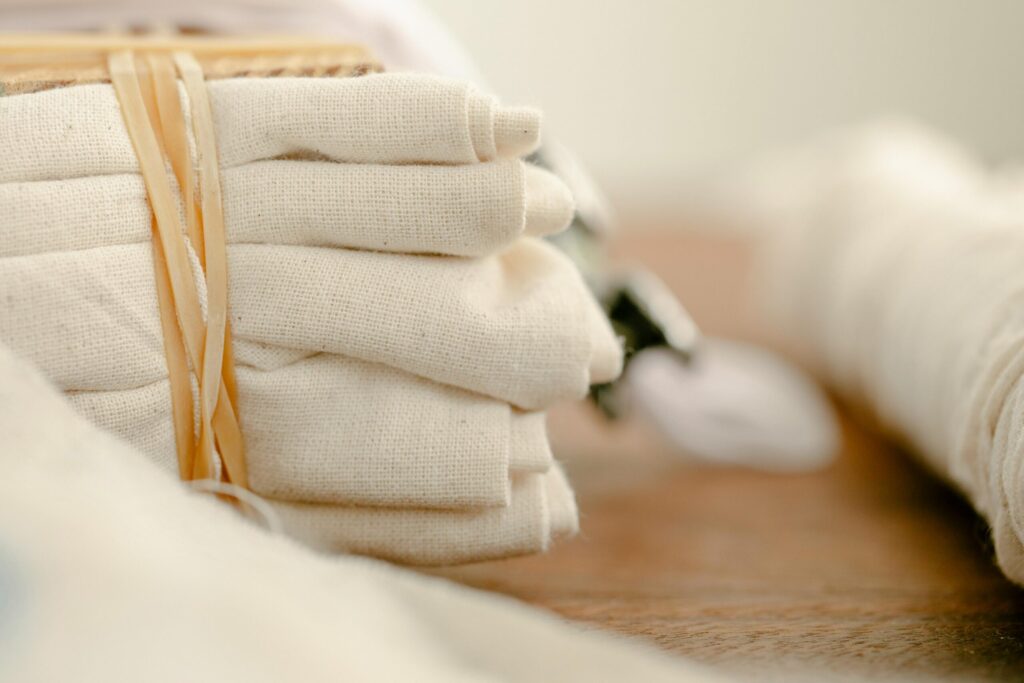
Let’s start by asking ourselves, what material do we most prefer to wear?
The overwhelming majority of us eagerly choose clothes made from cotton fabrics or knits.
Why?
Each of us wants to feel comfortable wearing our favorite outfit.
We care about the quality and durability of our clothes. We especially appreciate when children’s clothing is made from materials that are friendly to the body, ensuring our little ones neither overheat nor get too cold. At the same time, it’s important to us that the materials used for clothing do not chafe, scratch, cause rashes, or trigger allergies. We also pay attention to the durability of the clothes. Pilling, wearing out, deforming, or excessive stretching should not occur when choosing premium wardrobe items.
So, what materials are durable, comfortable, and safe at the same time?
Among others, high-quality “premium cotton” leads the way.
In the children’s clothing industry, it is one of the most commonly used materials.
This is because both cotton knits and fabrics have good thermal insulation and absorbent properties. Additionally, they are very soft, making them pleasant to the touch. Furthermore, cotton does not generate static electricity, is very durable, resistant to high temperatures, and easy to wash.
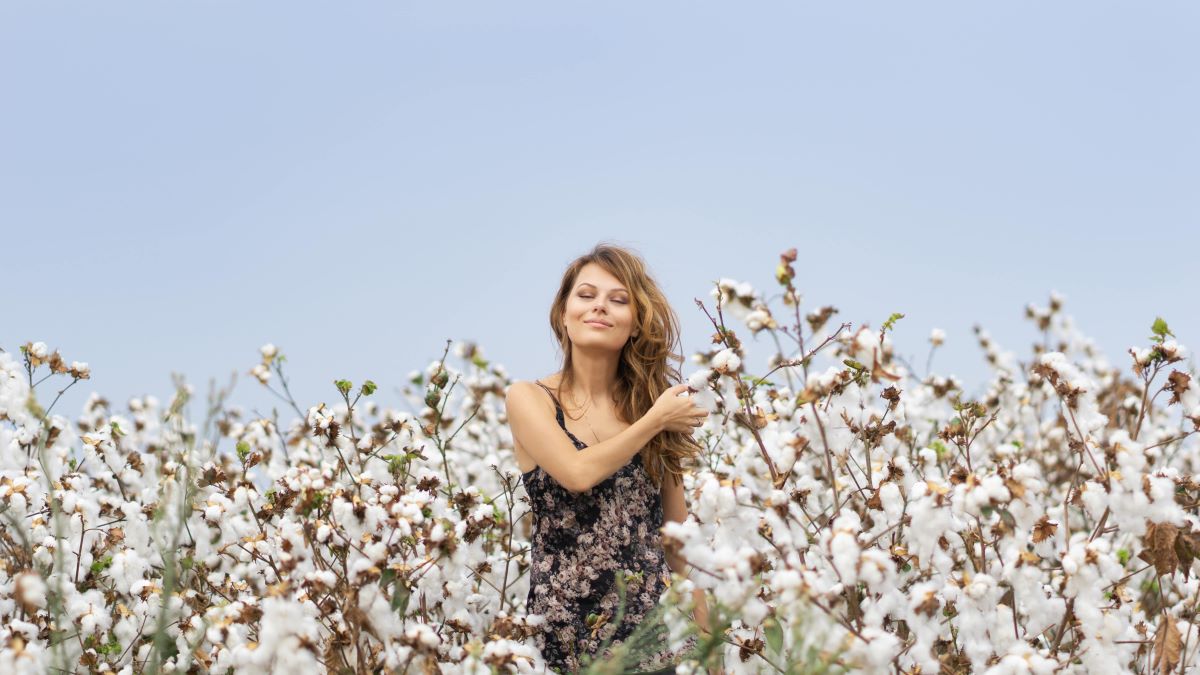
We often come across cotton clothes at competitive prices. What causes this?
There is a high likelihood that these clothes are made from low-quality cotton, characterized by roughness, stiffness, and a loose weave. Good quality cotton fabric or knit, on the other hand, is more expensive but features a dense weave and a strong, soft feel. An important indicator when selecting cotton yarns is also the certification. Worldwide, a testament to high-quality clothing includes the Oeko-Tex Standard 100 certification. This certification system informs us that the fibers used in the clothing production are free from harmful and potentially harmful substances that could negatively impact human health. This includes extracted heavy metals, pesticides, allergenic and carcinogenic dyes, formaldehydes, and chlorophenols. Therefore, it’s worth not always opting for the cheapest products but rather choosing clothes that have the mentioned Oeko-Tex Standard 100 certification.
All the materials used to make our clothes and textiles have this certification.
When shopping for a new piece of clothing, we often face the dilemma—should we choose knit or woven fabric? Before answering this question, it’s worth understanding the characteristics of both materials. The difference between them lies in the way the threads are woven. In cotton fabric, there is a warp and weft, which are interwoven horizontally and vertically. The weaving method, creating perpendicular thread arrangements, forms a characteristic weave pattern. This pattern largely determines the final appearance and purpose of the cotton fabric. Meanwhile, the permeability and elasticity of the material are influenced by the weaving and the density of the weft and warp.
Unlike woven fabric, cotton knit is made from a single thread. It consists of loops that form columns (loops stacked vertically) and rows (loops arranged horizontally). This structure gives cotton knit its breathability and elasticity. Additionally, like woven fabric, it is also very soft.
Both woven fabrics and knits are breathable, hygroscopic, and elastic materials. When making a choice, we often consider the visual aspect of the clothing. Knits come not only in a uniform form but also with textures, lace-like patterns, and designs, while woven fabrics are usually smooth.
The final quality of cotton clothing is significantly influenced by the cotton harvesting method. Mechanically harvested cotton is more likely to have damaged fibers and be more prone to contamination. In contrast, hand-picked cotton requires less processing and is cleaner.
Whether clothes made from this material will have the beneficial properties mentioned above also depends on the fiber processing, their maturity level, and length.
The process of separating seeds from fibers and removing impurities is crucial. The method used for fiber preparation determines their final length and potential damage degree. The durability of cotton clothing largely depends on the fiber maturity level. The longer the maturation time, the better. The time needed for a single fiber to reach full maturity is between 100 and 180 days. After this period, the fibers become more resistant to chemical and mechanical factors.
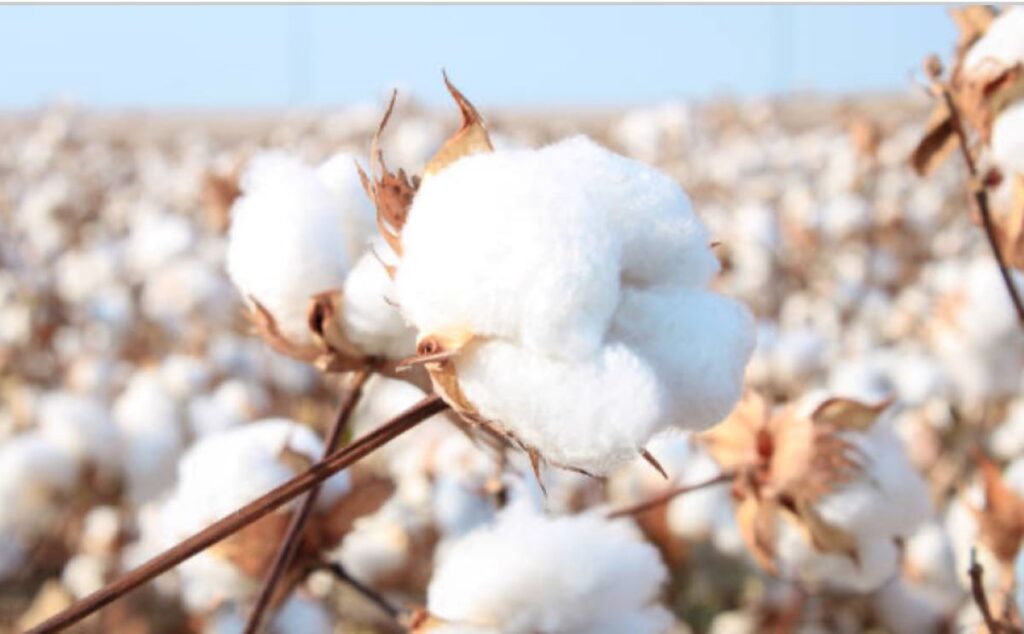
In cotton classification, fiber length plays a significant role.
Long fibers are characterized by softness, strength, and a delicate sheen. They allow for tighter weaves without unsightly thickening or pilling. On the other hand, short fibers, despite being thicker, are less durable and feel rough and unpleasant to the touch. Additionally, they often result in imperfections in the fabric weave.
The way yarn is spun is also crucial. It involves two stages: formation and combing of the yarn. If the material is formed from fibers of varying lengths and then immediately spun into yarn, the result is a stiff, less durable fabric with imperfections.
However, when yarn undergoes additional combing, impurities and short fibers are removed. This process results in a fabric of medium to good quality. Furthermore, rinsing the yarn with a sodium hydroxide solution enhances the fabric’s sheen and durability, a process known as mercerization.
Regarding blends of cotton with other fabrics, it’s common to find such combinations on clothing labels. These blends allow for the creation of high-quality fabrics that combine the best characteristics of multiple materials. Examples include cotton blended with elastane or polyester. In the first case, elastane provides elasticity, making the clothes more comfortable. In the second example, cotton blended with polyester ensures quick drying, wrinkle resistance, and easy care. Moreover, blending cotton with polyester fibers helps prevent shrinkage.
In both cases, a positive aspect is the ease of maintaining the fabric’s cleanliness.
Therefore, opting for clothes made from high-quality cotton or cotton blends with elastane or polyester is advisable.
